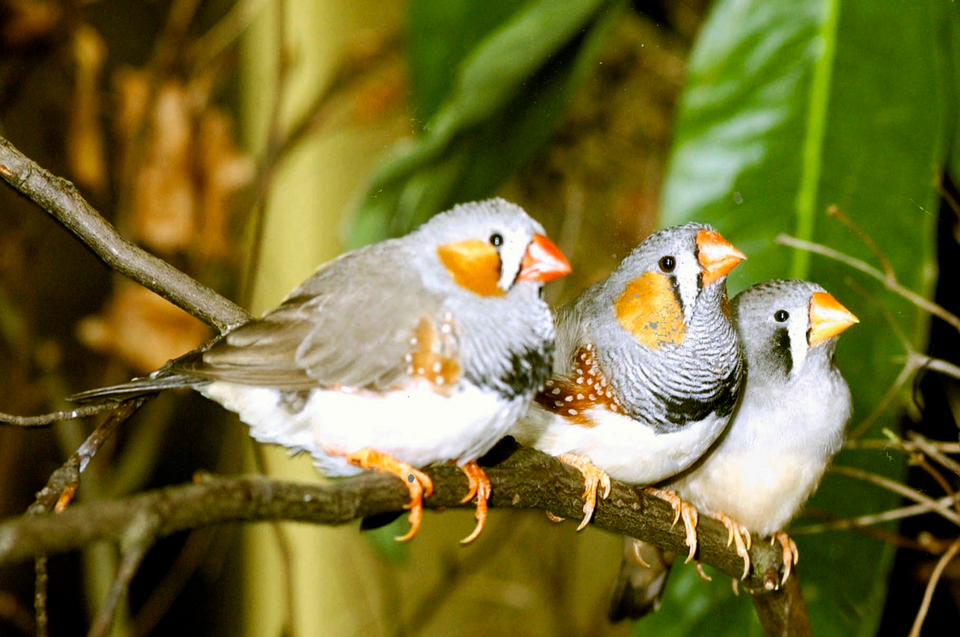
Because finches have fast metabolisms and tiny bodies, nutrition directly shapes their feather quality, breeding success, energy, and lifespan. Whether you keep Gouldian Finches and Zebra Finches in an aviary or stock backyard feeders for San Diego Lesser Goldfinches, a dry seed-only menu leaves crucial nutritional gaps.
1. The Foundation for Pet Finches: Quality Finch Seed & Pellets
Most companion estrildid finches (Zebra, Society, Gouldian, Owl, Star, and Waxbills) eat a staple blend of small, fresh seeds. Look for dust-free mixes containing:
- White, red, and yellow proso millet — the primary carbohydrate base for grassfinches.
- Canary grass seed — slightly higher in protein and loved by Java Sparrows and Canaries.
- Japanese & Siberian millet — tiny, easily husked seeds ideal for small waxbills like Cordon-bleus.
- Spray millet (treats & weaning) — great for foraging enrichment and helping newly fledged chicks practice hulling seeds.
Many keepers also offer finely crushed, finch-sized formulated pellets alongside seed so birds pick up balanced vitamins A, D3, and trace minerals. Always blow away empty seed hulls daily—a dish full of empty husks looks full at a glance even when birds are out of food!
Tip: Save on Fresh Bulk Finch Seed at FSSDC Meetings
Club volunteers haul 25 lb and 50 lb bags of fresh seed, millet, and grit to our bi-monthly meetings in Vista and pass bulk pricing straight to active FSSDC members.
2. Sprouted & Soaked Seeds: The Aviculturist's Secret Weapon
Dry seed has lower vitamin availability compared to germinating seeds in nature. Once soaked and rinsed until tiny white root tips appear (24–48 hours), sprouted millet and canary seed become soft, digestible, enzyme-rich superfoods—especially during molting and chick-rearing. Rinse thoroughly with clean water and discard uneaten sprouts after a few hours so warm San Diego weather never encourages mold.
3. Dark Leafy Greens, Veggies & Softfoods
Offer finely chopped fresh produce several times a week (and daily when breeding):
- Greens: Dandelion leaves, romaine lettuce, endive, bok choy, kale, broccoli florets, and chickweed.
- Vegetables: Finely grated carrot, zucchini, sweet corn kernels, and cucumber slices (especially popular with Australian grassfinches).
- Eggfood: Hard-boiled mashed chicken egg (shell finely ground and mixed in) or commercial dry eggfood provides essential animal protein and amino acids when birds are molting or feeding nestlings.
- Live food for waxbills & softbills: Species such as Red-cheeked Cordon-bleus and Strawberry Finches often require tiny mealworms, wingless fruit flies, or ant eggs to successfully fledge chicks.
4. Calcium, Cuttlebone & Mineral Grit
Every finch cage needs a clean cuttlebone (soft white side facing inward) or mineral block. Hens laying eggs burn through calcium rapidly; deficiency can lead to dangerous egg-binding. Most aviculturists also offer a small dish of fine crushed oystershell/mineral grit separately rather than mixed into food.
5. What Do Wild Finches Eat at Backyard Feeders?
If you're feeding wild House Finches, American Goldfinches, or Lesser Goldfinches in your San Diego yard, skip cheap filler mixes loaded with milo and cracked corn (which attract rats and pigeons). Instead, fill tube or sock feeders with:
- Nyjer (thistle) seed: Oil-rich miniature seeds that goldfinches love and larger nuisance birds ignore. Keep nyjer fresh and dry so it doesn't clump or spoil.
- Fine sunflower chips / black-oil sunflower: Relished by House Finches and Lesser Goldfinches alike.
- Native seed-bearing plants: Leaving spent wildflower heads on sunflowers, California poppies, and cosmos gives wild finches natural foraging perches.
Foods & Substances Toxic to Finches (Never Feed)
- Avocado (skin, pit, and flesh contain persin, lethal to birds)
- Chocolate, caffeine, alcohol, and salty junk food
- Apple seeds and stone-fruit pits (apple flesh is safe; seeds contain trace amygdalin)
- Onions, garlic, rhubarb leaves, and raw dried beans
- Moldy seed or damp sprouts (clean feeders frequently!)
Frequently Asked Questions
Can pet finches eat human food like scrambled eggs or fruit?
Yes—plain, unseasoned hard-boiled or scrambled egg (no butter, salt, or oil) is an excellent protein boost during molt or breeding. Small bits of apple, melon, or berries are also enjoyed, though many finches prefer leafy greens and sprouted seed over sweet fruit.
Do finches need grit?
Small amounts of soluble calcium grit (such as crushed oystershell) supply calcium and minerals. Avoid forcing birds to consume excess insoluble granite grit, which isn't required by hulling seed-eaters in large quantities.
How often should finch food and water be changed?
Fresh drinking and bathing water should be changed daily (or twice daily if birds bathe in their drinker). Blow out empty seed husks every morning and remove moist eggfood or greens within 4–6 hours.